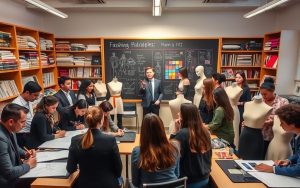


RIT is unique in American higher education. It has a special way of learning. The university’s co-operative education programme mixes studying with real work.
Students get hands-on experience through many work placements. This experiential learning model makes them ready for their careers.
RIT does more than just teach. It has a lively world of innovation programmes. These programmes boost creative thinking and solving problems.
RIT’s mix of tough academics and practical skills sets it apart. Its graduates are not just degree holders. They are ready to succeed in their careers right away.
Understanding Rochester Institute of Technology’s Legacy
Rochester Institute of Technology has a rich history that shapes its education today. It combines old traditions with new teaching methods. This mix prepares students for the real world.
Historical Foundations and Educational Philosophy
RIT started in 1829 as a small school for technical training. Now, it’s a top university that keeps its focus on practical skills. Its teaching style is all about learning by doing.
This approach has stayed the same over the years. It helps students get both technical skills and professional skills. This sets RIT apart from schools that just teach theory.
Academic Organisation and Programme Offerings
RIT has nine colleges with programs in tech, engineering, business, and arts. This setup lets students focus on their interests while also learning from other fields. It prepares them for the modern workplace.
The university offers over 80 undergraduate and more than 60 graduate programs. Students can choose from many fields, from tech to arts. RIT’s courses mix technical skills with creativity and business savvy.
Programs like computing, engineering, and visual arts are designed to give students the skills they need. RIT keeps its programs up-to-date with the latest trends and tech.
National Standing and International Recognition
RIT is known for its career preparation and innovation education. It’s ranked high nationally for these areas. Its co-op model is praised for linking classroom learning with real-world experience.
Internationally, RIT is respected with partnerships worldwide and students from over 100 countries. Its accreditation by the Middle States Commission on Higher Education shows its quality and effectiveness.
Recent rankings show RIT’s strengths in tech education and career success. Many programs are in the top 50 nationally. This shows RIT’s educational philosophy works well across all subjects.
The Rochester Institute of Technology Co-operative Education Model
Rochester Institute of Technology’s co-operative education programme is a top work-integrated learning system in the US. It mixes academic study with real-world work through structured jobs.
Historical Development of the Co-op Programme
RIT started its co-operative education programme in 1912. It was one of the first in the US. It began with engineering and then grew to include all academic colleges.
RIT focuses on giving real-world work experience that goes with classroom learning. Its location in Rochester, New York, helps with this. It’s close to tech companies and innovative businesses.
Operational Structure and Implementation
The Office of Career Services and Cooperative Education runs the co-operative education programme. They help students find jobs and make sure learning standards are kept.
RIT’s co-op programme is different from internships. Students do several work terms that alternate with school. They get paid, which helps financially while they gain work experience.
Student Placement Procedures and Requirements
Undergraduate students need to meet certain academic standards before starting their placements. They must have finished basic courses and keep a good grade point average.
The placement process includes:
- Meeting with co-op advisors to talk about career goals
- Going to preparation workshops and interview sessions
- Applying for jobs through RIT’s online job portal
- Completing employer interviews and selection processes
Students get academic credit for each co-op term they complete. This adds their work experience to their official transcript.
Scheduling and Duration of Co-operative Placements
RIT offers flexible scheduling to fit different academic programmes and student needs. Students can alternate semesters of study and work, or do back-to-back co-op blocks.
The table below shows the typical co-op scheduling options available to students:
| Schedule Type | Duration | Academic Terms | Work Terms |
|---|---|---|---|
| Alternating | 6-8 months | Spring/Fall | Summer/Winter |
| Parallel | 4-6 months | Part-time study | Part-time work |
| Back-to-Back | 8-12 months | Preceded by study | Continuous work |
Most students do two to three co-op terms during their undergraduate studies. This gives them about 12 months of work experience before they graduate. This is longer than most internships.
The structured nature of these placements helps students gain deep professional skills. They also build strong industry connections. Employers often offer jobs after graduation because of this.
Advantages of RIT’s Co-operative Education System
Rochester Institute of Technology’s co-operative education programme offers great value. It helps students grow in many ways. The programme’s focus on real-world learning changes students in big ways.

Professional Competency Development
Students learn a lot by applying what they learn in class. They turn theory into skills that employers want. This makes them ready for jobs right after they graduate.
They learn many important skills:
- Technical skills specific to their field
- How to solve problems and think critically
- Good communication and teamwork skills
- How to manage projects and be organised
This hands-on learning makes students job-ready. They get to put their skills to use and build strong resumes. This helps them stand out in the job market.
Financial Benefits for Participating Students
The co-op programme at RIT has big financial benefits. Students in paid co-op jobs earn money while they study. This helps them financially in the short and long term.
Here are some financial highlights:
| Financial Metric | Annual Figure | Per Student Average |
|---|---|---|
| Total Co-op Earnings | $65 million | $18,000-25,000 |
| Post-Graduation Employment Rate | 94% | Within 6 Months |
| Average Starting Salary | $65,000 | Across All Disciplines |
This money helps reduce student debt. It also gives students financial freedom. Plus, many students get job offers from their co-op employers.
Industry Networking and Professional Relationships
RIT’s co-op programme helps students make strong industry connections. These connections can lead to great career opportunities. Students meet mentors, supervisors, and experts in their field.
These connections are very valuable:
- They get insights into the industry and new trends
- They have professional references and recommendations
- They can get mentorship
- They might find full-time jobs
Many students get job offers from their co-op employers. This makes it easy for them to start their careers. The RIT Co-op and Career Services office helps students make the most of these connections.
These connections are not just for getting a job. They help students grow in their careers for years. Students become known in their field and build networks that help them in the long run.
RIT’s Innovation and Entrepreneurship Infrastructure
Rochester Institute of Technology has built a strong innovation ecosystem. It gives students great tools to start their own businesses. The setup includes many facilities and programmes for all stages of entrepreneurship.
The Simone Centre for Student Innovation and Entrepreneurship
The Simone Centre is at the heart of RIT’s entrepreneurial efforts. It offers mentorship, prototyping tools, and workshops on business development. Students learn about market testing and protecting their ideas.
The centre also hosts pitch competitions and networking events. These events connect students with successful alumni and industry leaders. It’s a chance for students to improve their business ideas and make important connections.
VentureCreations Technology Business Incubator
VentureCreations shows RIT’s dedication to early-stage tech companies. It’s a business incubator with lab space, support, and special equipment. Startups get help from RIT’s tech and research skills.
The incubator supports companies for two to three years. It helps them reach important milestones to attract more funding. Many tech firms have started here, creating jobs and boosting the local economy.
Collaborative Research Initiatives with Industry Partners
RIT works closely with top companies through research collaboration agreements. This lets faculty and students tackle real-world problems. Companies get new ideas and access to talented students.
These projects lead to patents, technology transfers, and licensing deals. RIT focuses on research that’s useful and can be used commercially. This way, students learn by doing, preparing them for the fast-changing tech world.
RIT’s setup is a great mix of theory and practice. It helps students succeed in today’s tech world.
Academic Programmes with Innovation Focus
Rochester Institute of Technology offers special academic paths that focus on innovation. These paths help students solve big challenges by mixing different subjects and hands-on learning.
Technology and Engineering Innovation Curricula
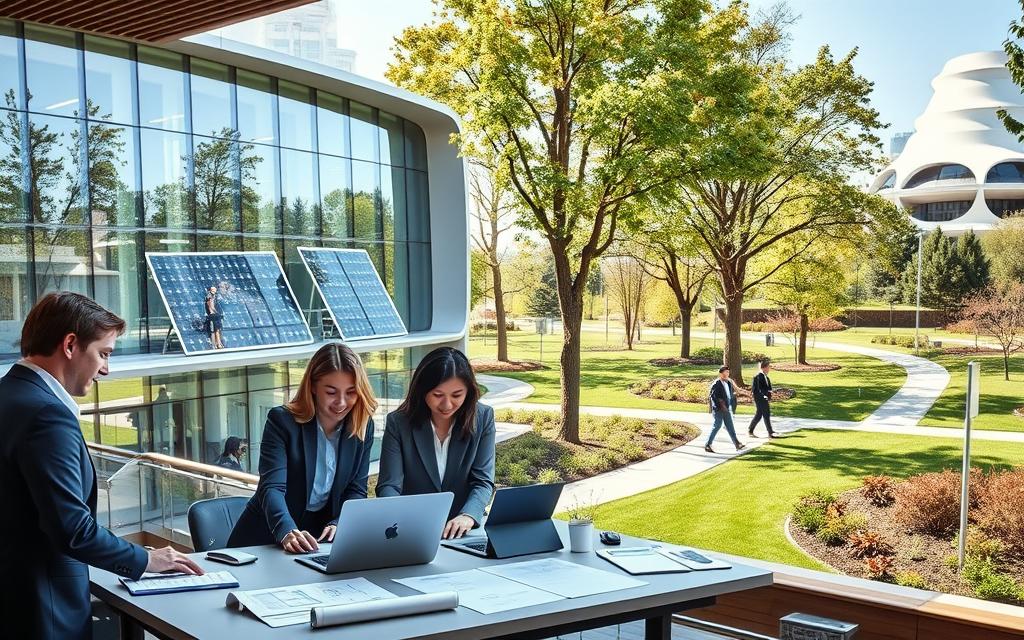
RIT’s tech and engineering departments have innovative curricula that look at new technologies. Students learn about AI, green energy, and advanced making through projects.
The university’s technology programmes start with real-world problems from the first year. Electrical engineering students might work on smart grids. Computer science majors might make apps for keeping data safe.
These programmes have strong ties with industry, so graduates get the skills they need. Teachers often come from tech companies, sharing their experience.
Creative Arts and Design Innovation Programmes
RIT’s creative arts division focuses on design innovation. It combines art and tech to make visual communications that matter. Students use the latest tools and methods.
The university has special tracks in user experience design, motion graphics, and interactive media. These focus on solving real problems with creative solutions.
Students have access to top-notch facilities like digital labs and virtual reality studios. These help with projects that explore new ways in visual and media arts.
Business and Entrepreneurship Degree Options
RIT’s Saunders College of Business offers entrepreneurship degrees that mix business and innovation. The curriculum includes starting ventures, managing ideas, and finding funding.
Students can choose to focus on tech entrepreneurship, social innovation, or corporate innovation. These options prepare them for careers in startups or big companies.
The programmes include practical parts like business plan competitions and access to incubators. This lets students test ideas and build professional networks.
RIT shows how innovation can change traditional subjects. It creates places where students learn specific skills and how to adapt.
Synergy Between Co-op and Innovation Programmes
Rochester Institute of Technology combines co-operative education with innovation programmes. This mix offers students a chance to apply what they learn in real situations. It also helps them develop innovative thinking.
Co-op Placements within Innovative Organisations
RIT students get jobs with top innovative employers in many fields. These roles let them see the latest in technology and industry trends.
Big names like Google, Apple, and Tesla often take RIT co-op students. Disney Animation Studios and NASA also offer unique opportunities. Students can work in medical technology at places like Massachusetts General Hospital.
This access to top companies is a big plus of RIT’s co-op innovation synergy. Students get real-world experience and work on important projects.
Research-focused Co-operative Experiences
Many students choose research co-ops that match their interests and goals. They work on advanced projects with experts and professors.
These co-ops focus on new technologies and scientific discoveries. Students might work on renewable energy, AI, or biomedical projects. They learn a lot about technology and research methods.
The university’s partnerships ensure these co-ops tackle real problems. Students gain both theoretical and practical skills through these experiences.
Entrepreneurial Co-op Opportunities
RIT has special entrepreneurial placements for those interested in startups and business. These roles let students see how new businesses work.
Some students work in early-stage startups. Others start their own businesses. The university helps with mentorship and resources.
These co-ops teach students about business, risk, and innovation. They learn to bring new ideas to market while earning academic credit.
This shows RIT’s dedication to innovation in student development. It prepares students well for the future by combining practical experience with innovative thinking.
Student Experiences and Notable Achievements
Rochester Institute of Technology’s education is all about real-world learning. It leads to amazing stories of growth and innovation.
Diverse Co-op Experiences Across Disciplines
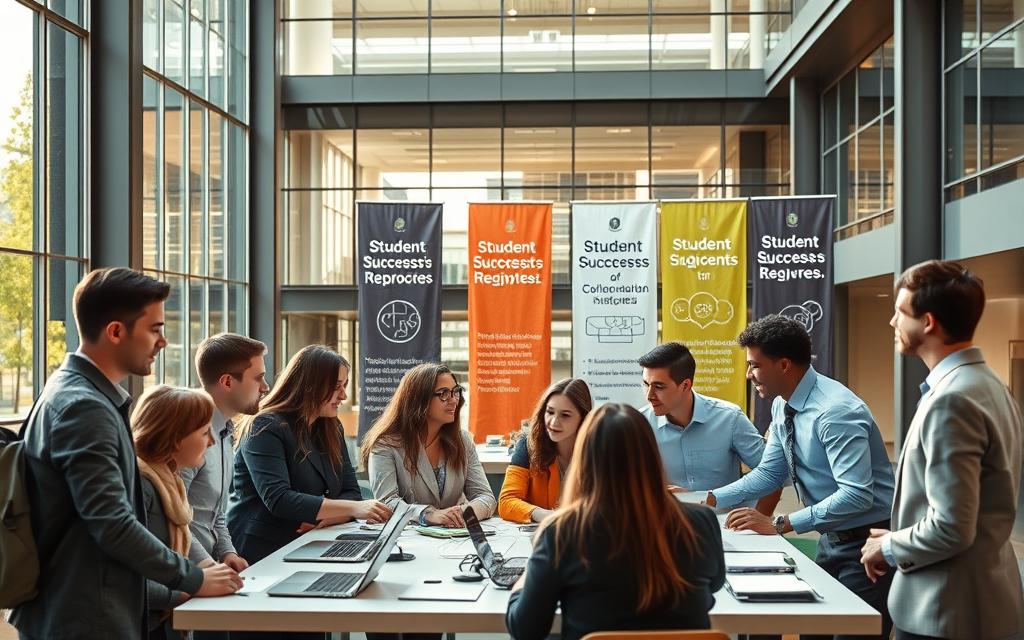
At RIT, students get to work in many fields through co-op programs. These diverse experiences make learning more practical.
Lucy Ray, a medical illustration student, worked on marketing for Predator: Badlands. She mixed her art skills with commercial needs.
Ben McManus joined the global scholars program and worked at Indivisible Partners. He learned about international business.
RIT prepares students for many careers. Its network offers chances in arts, tech, business, and healthcare.
Successful Innovation Project Examples
RIT students turn ideas into real solutions through innovation projects. These projects tackle real problems and build skills.
Engineering students worked on sustainable energy. Another team made tech for those with hearing loss.
Here are some recent innovation projects:
| Project Name | Academic Department | Industry Impact | Recognition |
|---|---|---|---|
| AquaPure Filter System | Environmental Engineering | Water purification in developing regions | National Innovation Award 2023 |
| AccessSound App | Computing and Information Sciences | Auditory assistance technology | TechForGood Finalist |
| BioPlastic Solutions | Packaging Science | Sustainable packaging alternatives | Environmental Excellence Prize |
These projects show how learning leads to real impact. Students gain technical skills and learn to solve problems.
Student-led Startup Accomplishments
RIT’s support for startups has led to many successes. The university helps turn ideas into businesses.
One startup made an AI platform for small businesses. Another created software for architectural design.
These student success stories show RIT’s focus on innovation. The university helps students start and grow their businesses.
Recent graduates’ startups have gotten funding and recognition. Their success proves RIT’s education model works.
Career Outcomes for RIT Graduates
The success of any school is shown by its graduates’ achievements. Rochester Institute of Technology (RIT) stands out, with graduates doing better than the national average in many fields. This shows RIT’s strong performance.

Employment Statistics and Compensation Data
RIT’s co-op model leads to great job success. Over 95% of students find full-time jobs, enter graduate school, or volunteer within six months. This high success rate comes from the co-op experience.
Employers love RIT graduates. Many companies want to hire them after their co-op. This is because of the real-world experience they gain.
RIT graduates earn more than average, thanks to their co-op experience. They also get promoted faster and reach leadership roles sooner.
Distinguished Alumni and Their Contributions
RIT’s alumni are leaders in tech, business, arts, and sciences. They say RIT’s hands-on learning helped them succeed.
Alumni have created new products, changed industries, and built successful companies. Their stories show the value of RIT’s focus on practical learning.
Many alumni stay connected with RIT. They mentor students and help improve programmes. This helps future students even more.
Long-term Professional Development Trajectories
RIT’s co-op education helps graduates grow fast in their careers. They often reach senior roles sooner than others.
Alumni are happy with their jobs and feel fulfilled. The skills they learned in co-ops help them solve problems and move up.
Graduates are also very adaptable. They handle changes and new tech well. This is thanks to their varied co-op experiences.
RIT’s approach prepares students for a lifetime of success. It mixes solid academics with real-world experience. This way, RIT graduates are ready for their careers and for leadership.
Institutional Support for Co-op and Innovation
Rochester Institute of Technology offers a wide range of support to help students succeed. This support is for both co-op education and innovation. It makes sure every student gets the help they need, from start to finish.

Career Services and Co-operative Education Office
The Office of Career Services and Cooperative Education provides top-notch support. They offer many programmes to help students find their way in the job market. These include workshops on resume writing, interview skills, and job searching.
Some key services include:
- Mock interview sessions with industry experts
- Employer information sessions and campus recruitment events
- Career preparation courses integrated into academic plans
- Industry expert panels and networking opportunities
These efforts help students build strong professional skills before they start their co-op placements. The office also has strong ties with employers to find the best jobs for students.
Mentorship and Advisory Programmes
RIT’s mentorship programmes connect students with experienced professionals. These mentors guide students through their studies and co-op experiences. These relationships often last long after graduation, helping students build valuable networks.
The advisory system includes:
- Faculty mentors specialising in specific disciplines
- Industry professionals from partner organisations
- Alumni mentors who offer career advice
- Peer mentoring programmes for collaborative learning
This approach ensures students get support from many angles. It helps with both personal growth and getting ready for the job market.
Funding Mechanisms and Resource Provision
RIT offers a lot of funding to help students with co-op and innovation projects. They provide financial help for moving to new places for co-op jobs. This way, students can take jobs anywhere, not just locally.
Innovation-focused funding includes:
- Grants for student innovation projects and research
- Startup funding opportunities through pitch competitions
- Access to specialised facilities and equipment
- Travel grants for innovation conferences and exhibitions
This funding shows RIT’s commitment to making learning experiences available to all. They also provide top-notch facilities and resources, not just money.
This support system helps students make the most of co-op and innovation opportunities. It ensures every student gets the help and resources they need for success.
Comparative Analysis with Peer Institutions
Rochester Institute of Technology (RIT) shines in experiential education. It ranks #5 for co-op and internship programs. This shows it leads the nation in this area.
Distinctive Features of RIT’s Co-op Programme
RIT’s co-op program is unique. It has a huge network of 3,400 hiring organizations every year. This makes it stand out.
It offers 6,200 co-op assignments yearly. This involves 4,595 students in different fields. Unlike others, RIT makes co-op experiences a key part of its education.
RIT also pays all co-op positions. This helps students from all backgrounds get work experience. It’s a big plus for RIT.
Competitive Advantages in Innovation Education
RIT’s innovation education is top-notch. It combines classroom learning, co-op experiences, and entrepreneurship. This makes graduates very skilled.
This approach helps students:
- Use what they learn in real jobs
- Use the latest innovation tools
- Build professional networks early
- Get paid while learning
Compared to others, RIT does better in job rates and salaries. Its co-op program also boosts its innovation education. This creates a cycle of excellence.
This shows RIT’s unique mix of size, integration, and pay. It prepares graduates for the workforce with big advantages.
Future Directions and Strategic Planning
Rochester Institute of Technology is always looking to improve its education. It’s all about innovation and making learning better for students. The university also wants to work more closely with businesses.
Programme Enhancements and Expansion Plans
RIT plans to grow its programmes in many areas. It wants to mix technical skills with creative thinking. This will help students tackle real-world problems.
New programmes will bring together different departments. This will prepare students for jobs that need many skills. It’s all about being ready for the future.
The university also wants to send more students on international co-op placements. This will give them a chance to work with companies around the world. It’s a great way to learn about different cultures and ways of working.
Focus Areas in Emerging Technologies
RIT is leading the way in new technologies. It’s focusing on areas that will shape the future. This includes artificial intelligence, machine learning, and sustainable technologies.
Artificial intelligence and machine learning are key for RIT. It’s building top-notch labs and research spaces. This will help students and researchers make new discoveries.
Sustainable technologies are also a big focus. RIT is all about green engineering and renewable energy. It wants to help solve environmental problems.
The table below shows RIT’s main technology priorities:
| Technology Area | Current Initiatives | Future Projects | Industry Partners |
|---|---|---|---|
| Artificial Intelligence | AI Research Lab | Autonomous Systems Centre | Google, IBM, Microsoft |
| Sustainable Technologies | Green Manufacturing Lab | Renewable Energy Institute | Tesla, Siemens, GE Renewable |
| Advanced Manufacturing | 3D Printing Facility | Smart Materials Research | Boeing, Lockheed Martin |
| Digital Media Innovations | Interactive Media Centre | Immersive Technology Lab | Adobe, Pixar, Electronic Arts |
RIT is making big investments in new technologies. This keeps it ahead in a fast-changing world. It’s good for students and for businesses too, through new partnerships.
Conclusion
Rochester Institute of Technology (RIT) combines academic hard work with real-world experience. This mix creates a strong learning environment. The co-operative education program lets students get valuable work experience while keeping up with their studies.
This approach helps students get ready for their careers. They learn both theory and practical skills. This is thanks to placements in industries and courses that focus on innovation.
Graduates from RIT do well in their careers. They have skills and knowledge from their time at RIT. This helps them stand out in their fields.
Thinking about going to college? The benefits of studying at RIT are many. It’s not just about passing exams. It’s about growing professionally and advancing in your career.
RIT prepares students for success in the future. Its focus on real-world learning and innovation helps graduates succeed globally. RIT’s unique approach to education is a model for other colleges.

 By
By