
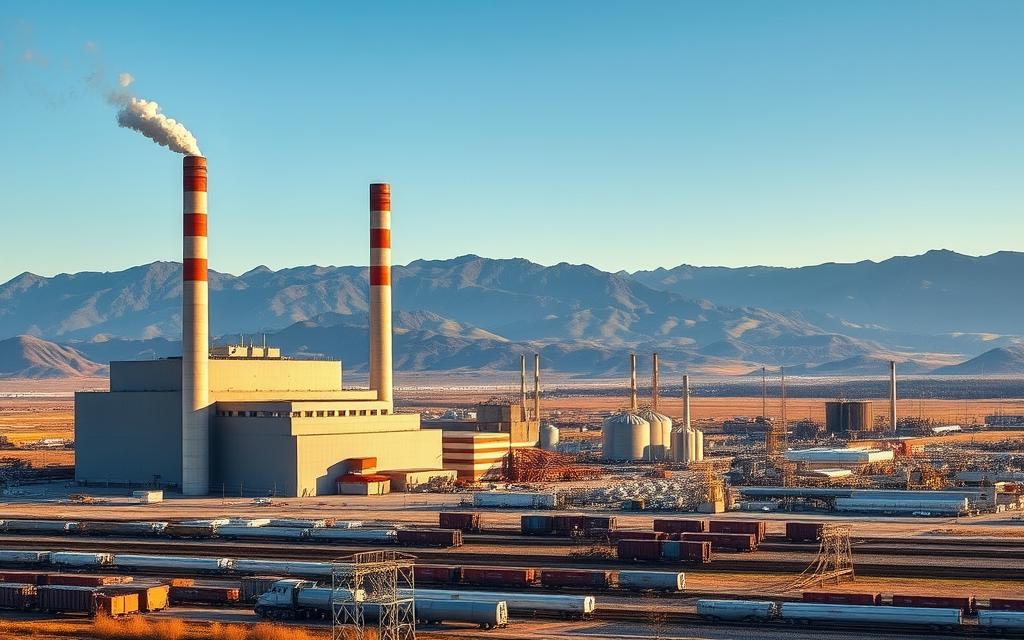

Is there clean coal technology that can cut CO2 and other harms from existing power systems? This introduction frames that question with plain facts and current numbers.
Burning coal produces about 15 billion tonnes of CO2 each year, mostly from power generation. That makes coal the single biggest source of carbon emissions and a central driver of global warming pressures on policy makers.
Looking at there really such alongside can really mine virtual gives a clearer view of the wider topic.
Clean coal now often means two routes: higher‑efficiency HELE plants that reach roughly 42–48% efficiency, or systems that add carbon capture and carbon capture storage to trap CO2 before release.
World R&D on CCS passed US$1 billion annually in 2009–2013 then fell. By 2020 about 40 Mt/yr of CO2 was being captured and sequestered, with similar capacity under construction. Progress remains slow due to high costs and limited commitment.
This guide will explain how coal power works, survey capture and storage options, weigh economics and environmental trade‑offs, and use project evidence to assess whether a scalable, low‑emissions path for this fossil fuel exists.
Why “clean coal” matters in the present energy landscape
Many countries retain hundreds of gigawatts of coal capacity, shaping investment and policy choices today.
Coal supplies roughly 26% of primary energy and around 37% of global electricity. About 2,000 GWe of coal-fired capacity operates now, with near 500 GWe planned by 2030.
Annual CO2 from coal tops 15 Gt, so tackling these emissions matters for controlling global warming. Short-term air quality gains follow controls on sulfur dioxide and particulates.
- Demand and replacement: rising electricity needs in emerging markets keep coal in many plans.
- Policy drivers: carbon pricing and performance standards guide cleaner investment choices.
- Energy security: domestic supply and fuel diversity affect national mixes.
| Metric | Value | Implication |
|---|---|---|
| Share of electricity | ~37% | Central to grid stability in many regions |
| Operating capacity | ~2,000 GWe | Long asset lives affect investor decisions |
| Annual CO2 emissions | >15 Gt | Major hurdle for climate targets |
Hubs and shared infrastructure can lower unit costs for capture and transport. Investor uncertainty, high costs and limited commitment slow wider CCS rollout, a point highlighted by the IEA.
Defining clean coal: from pollutant controls to carbon capture and storage
The label now covers a spectrum — from standard pollution controls fitted on older units to full carbon capture and geological storage systems that aim to stop CO2 reaching the atmosphere.
What people mean today: CCS and CCUS
Modern usage often points to carbon capture and storage or use and storage (CCUS). These approaches trap combustion CO2 and send it for long‑term storage deep underground, usually 2–3 km below surface.
Older and broader uses of the term
Historically the phrase included coal washing, fabric filters, electrostatic precipitators and flue gas desulphurisation. Those measures cut ash, SO2 and NOx but leave most CO2 in the flue stream.
| Measure | Targets | Effect on CO2 per MWh |
|---|---|---|
| Washing, filters | Ash, particulates | Minimal |
| HELE super/ultra‑supercritical | Efficiency gains | Moderate reduction per kWh |
| CCS / CCUS | CO2 capture and storage | Large potential, higher cost |
Trade‑offs matter: capture raises capital and reduces net output, while oxyfuel routes use oxygen for concentrated flue streams. The guide now explores each process family and real project evidence.
How coal power works today: from combustion to electricity
A single coal-fired unit converts fixed chemical energy into high-pressure steam that turns a rotor and makes electricity.
Pulverised fuel and the steam turbine cycle
Pulverised coal, boilers and the steam turbine cycle
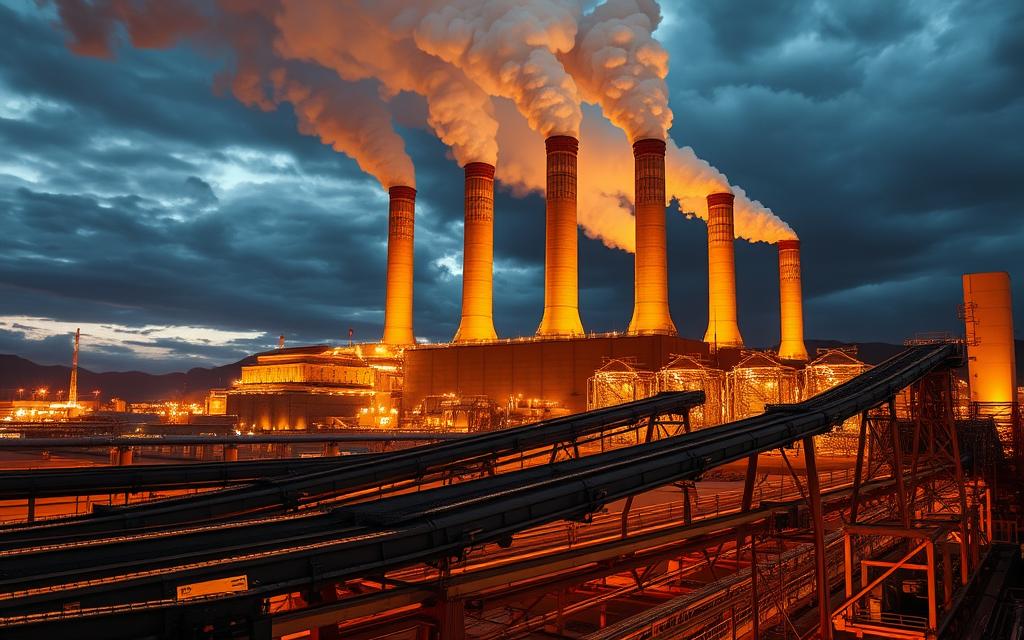
Most large plants pulverise fuel to a fine powder and burn it in a boiler furnace. Hot gases heat water into high‑pressure steam.
The steam expands through a steam turbine, spins a generator, then condenses and returns to the boiler in a closed cycle. Auxiliary systems feed water, manage air and control emissions.
Integrated gasification combined cycle (IGCC) basics
IGCC first gasifies fuel to produce syngas made mainly of carbon monoxide and hydrogen. The syngas is cleaned, fed to a gas turbine, and its exhaust drives a steam cycle — a true combined cycle.
IGCC plants typically reach mid‑40s percent thermal efficiency, offering better performance and a configuration that suits pre‑combustion capture more easily than post‑combustion routes.
| Pathway | Core equipment | Typical efficiency | CO2 stream |
|---|---|---|---|
| Pulverised fuel / boiler | Boiler, steam turbine, condenser | ~33–40% | Flue gas ~14% CO2 (diluted by air) |
| IGCC / combined cycle | Gasifier, gas turbine, HRSG, steam turbine | ~44–46% | Synthesis gas richer in CO2 for capture |
| Oxyfuel / specialised | Air separation, oxy‑boiler, steam turbine | Varies; capture‑ready | Concentrated CO2 stream |
Operational notes: fuel handling, air fans, particulate and SOx controls sit alongside turbines and heat recovery units. Equipment choice affects retrofit cost and how readily a plant can add capture systems.
For a technical primer on capture-ready designs and project examples, consult this overview of low‑emission pathways.
What technologies fall under “clean coal” in practice
From fuel cleaning to high‑pressure steam cycles, several proven paths reduce harm from coal‑fired generation.
Coal washing and preparation
Washing separates minerals from crushed fuel to cut ash and sulphur. That improves boiler performance and lowers downstream wear.
Flue gas desulphurisation and particulate controls
Wet scrubbers spray a limestone slurry to capture sulfur dioxide, often producing gypsum usable in drywall. Electrostatic precipitators and fabric filters remove up to 99% of fly ash, helping local air quality.
Low‑NOx combustion
Burner design and staged combustion curb NOx formation. Selective catalytic reduction (SCR) can deliver the deepest reductions when needed.
HELE steam plants
Supercritical and ultra‑supercritical units push thermal efficiency to 42–48%, cutting CO2 per MWh versus older subcritical designs. Higher pressure and temperature mean less fuel per unit output.
Gasification and pressurised fluidised bed
IGCC or integrated gasification combined cycle routes and PFBC support cleaner combustion. They produce a concentrated CO2 stream that suits capture more readily and can move net efficiency toward 50%.
Trade‑offs and waste
These measures cut many pollutants and lower fuel use, but most do not remove the bulk of CO2 without capture. Water use and by‑products such as gypsum or captured particulates need managed disposal or reuse.
How carbon capture works: post-combustion, oxyfuel and pre-combustion
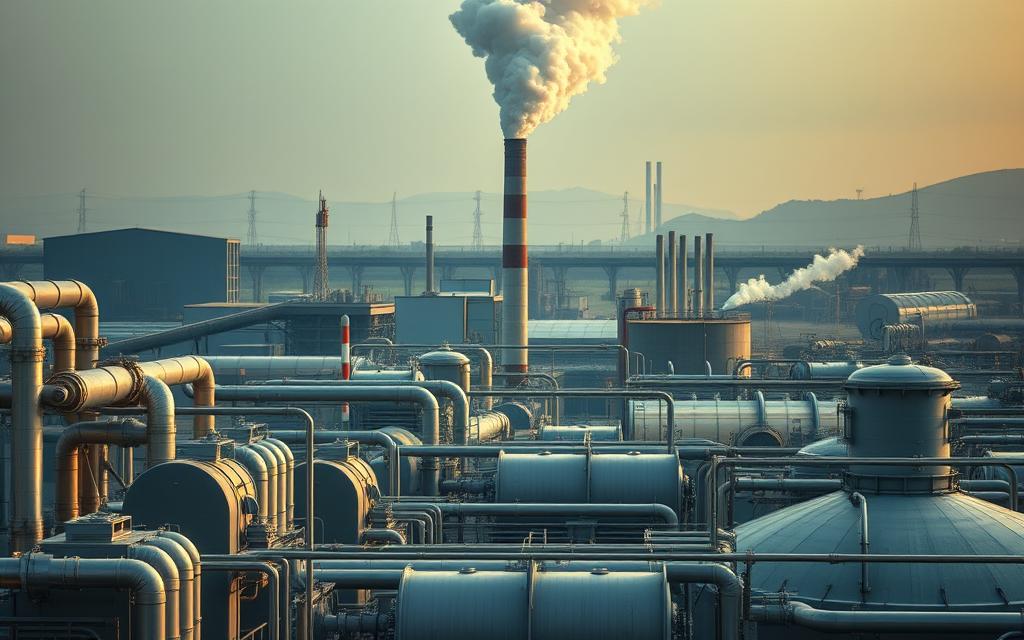
Three main capture routes define how plants handle CO2. Each route uses a different process chain and equipment set. Choices affect energy use, cost and how ready the stream is for storage or transport.
Post‑combustion capture with amines on flue gas
Amine scrubbing absorbs CO2 from dilute flue gas (~14% CO2). The solvent then heats in a stripper to release CO2 for compression and conditioning.
The energy penalty is large: commonly 20–25% of gross output. Petra Nova demonstrated 1.6 Mt/yr capture from a US power plant, showing operational feasibility despite the auxiliary load.
Oxyfuel combustion with air separation units
Oxyfuel burns fuel with oxygen supplied by an air separation unit. The flue stream is rich in CO2 and water vapour, so drying and purification yield a near‑pure CO2 product.
This route reduces downstream conditioning and can cut capture cost versus air‑fired capture, though the oxygen plant adds energy demand.
Pre‑combustion capture in IGCC with shift reactors and hydrogen fuel
In integrated gasification combined (IGCC) plants, gasification creates synthesis gas. A shift reactor converts carbon monoxide to carbon dioxide and hydrogen.
CO2 is removed at higher concentration and pressure, then hydrogen fuels the gas turbine. Industrial gasification capture exists (Great Plains Synfuels), but full commercial power plants with large‑scale pre‑combustion capture remain limited.
| Route | Key equipment | Typical CO2 stream | Energy penalty |
|---|---|---|---|
| Post‑combustion | Absorber, stripper, compressors | Dilute flue gas (~14% CO2) | ~20–25% of output |
| Oxyfuel | Air separation unit, dryer, purifier | Concentrated CO2 after moisture removal | Moderate; oxygen supply cost |
| Pre‑combustion (IGCC) | Gasifier, shift reactor, gas clean‑up | High‑pressure, concentrated CO2 | Lower conditioning costs; integration needs |
Where can captured CO2 go? Storage and utilisation pathways
Deciding where captured carbon dioxide goes shapes the climate benefit and the economics of any project.
Enhanced oil recovery and pipelines
EOR uses CO2 to boost oil output, monetising captured streams while storing a portion underground. The United States operates over 6,200 km of pipelines that move up to 72 Mt/yr of CO2 (about 55 Mt natural, 17 Mt anthropogenic), supporting roughly 281,000 barrels of oil per day.
Deep saline aquifers and long‑term trapping
Deep saline formations offer the largest potential for permanent storage. Trapping works by structural, residual, solubility and mineral mechanisms. Sleipner in the North Sea stores about 1 Mt/yr and shows long‑term performance.
Depleted fields and coal seam options
Depleted oil and gas fields benefit from known geology and existing data that aid monitoring and reduce uncertainty. Coal seam adsorption can displace methane for enhanced recovery, but economics often lag behind oil EOR.
“Transport networks and robust monitoring turn capture into verifiable climate benefit.”
| Destination | Example | Key benefit |
|---|---|---|
| Enhanced oil recovery | US pipeline network | Revenue from oil, partial storage |
| Deep saline aquifer | Sleipner (North Sea) | Large permanent storage capacity |
| Depleted fields | Weyburn (W. Canada) | Known geology, easier MRV |
| Coal seams | Enhanced coal bed methane projects | Methane recovery via adsorption |
Shared hubs such as Northern Lights aggregate captured streams and ship them for offshore injection, lowering unit costs. Robust monitoring, baseline studies and MRV protocols remain central to public confidence and regulatory compliance.
Is there clean coal technology that actually works?
Several full‑scale facilities now show that carbon capture performs reliably at unit level. Industry experience confirms capture can remove roughly 90% of CO2 from a treated stream when systems run to design.
Technical feasibility versus commercial scalability
Single projects offer proof‑of‑concept but scaling needs pipelines, injection sites and policy support. Most operating capture plants in 2021 were in natural gas processing, hydrogen, fertiliser and ethanol, not power plants.
Petra Nova captured about 1.6 Mt of CO2 per year from a coal power unit, yet economics pushed it to reserve status. That case shows raw performance can coexist with fragile finances.
What capture rates and monitoring show to date
- Capture performance: design rates often near 90% at unit level, validated by on‑site monitoring.
- Sectoral skew: most CO2 volumes captured to date come from non‑power industries.
- Chain completion: verified transport and geological storage are needed to lock in climate benefit.
“Transparent monitoring and independent verification make captured CO2 a measurable climate outcome.”
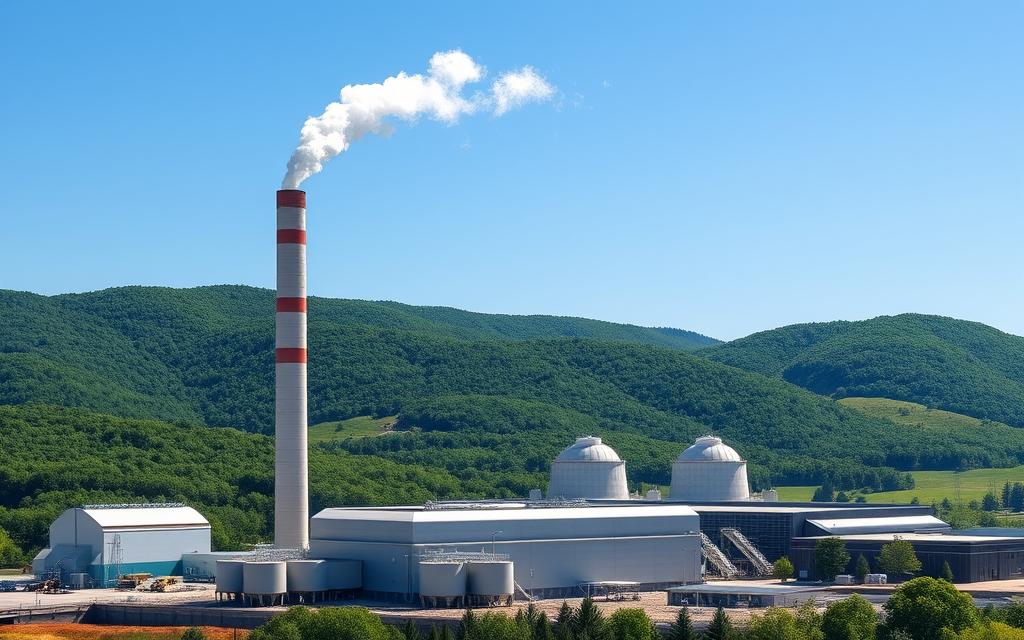
In sum, the process works technically. The bigger question is deployment pace and cost, which hinge on policy, hubs and repeated projects that can drive down capital and operating expenses.
Costs, energy penalties and plant performance impacts
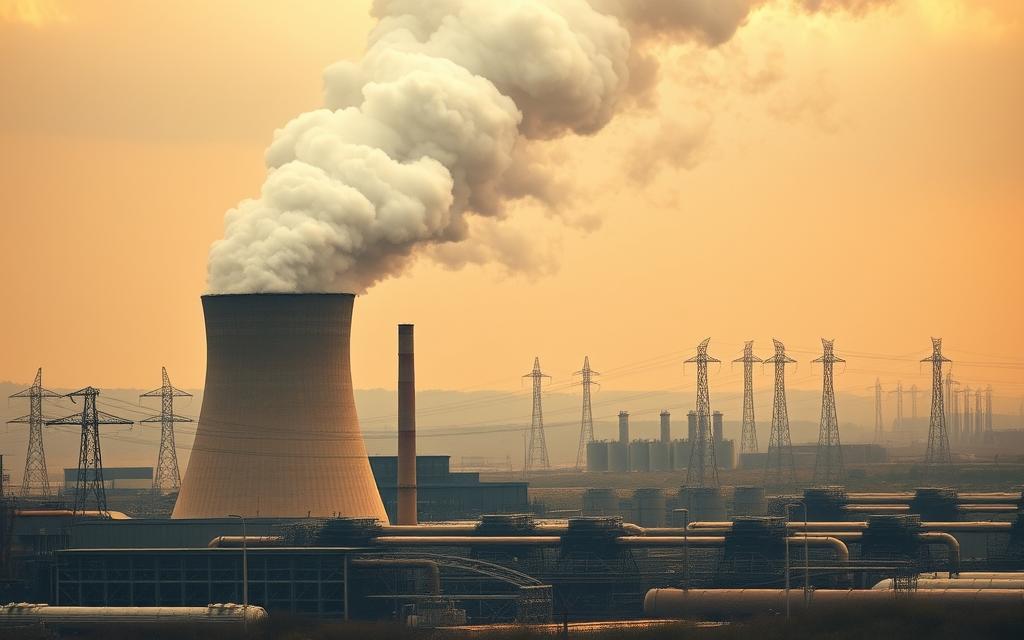
Fitting a capture island changes how a power plant uses steam, electricity and auxiliary systems.
Typical energy penalty and efficiency trade-offs
Post‑combustion capture commonly reduces net electrical output by about 20–30% of gross generation. That penalty comes from solvent regeneration, high‑pressure compression and extra pumps and fans.
HELE plants start from higher thermal efficiency, so their baseline helps offset some losses. An IGCC at ~45% efficiency also gives a better context for capture than older subcritical units.
Capital, operating costs and learning effects
Major cost drivers include the capture island, integration works, balance‑of‑plant upgrades and long‑term solvent or sorbent replacement. HELE capital can be 20–30% higher than subcritical but yields lower fuel use and lower emissions per kWh.
Learning‑curve gains are realistic: replication, standardised trains and larger units can cut unit costs over time, much like other power builds.
- Auxiliary load: regeneration plus compression creates the main 20–30% hit.
- Utilisation: net capacity falls and maintenance windows grow due to added equipment.
- Market drivers: carbon pricing, fuel cost and capacity payments change project economics.
| Metric | Typical value | Implication |
|---|---|---|
| Energy penalty (post‑combustion) | 20–30% net output | Lower availability and higher LCOE |
| HELE capital uplift | +20–30% vs subcritical | Lower fuel burn and reduced co2 per MWh |
| Learning potential | Progressive cost fall with scale | Policy certainty speeds deployment |
“Financing and policy tools—tax credits, contracts for difference and long‑term offtakes—close the gap between technical performance and commercial deployment.”
Global deployment status: projects, hubs and capacity today
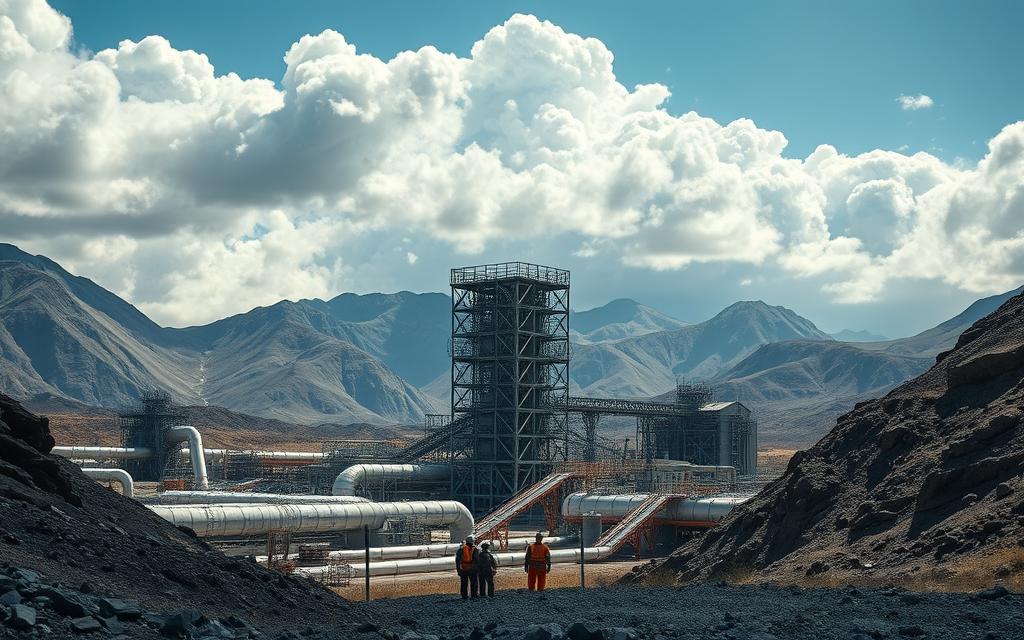
Global CCS activity now captures around 40 Mt of CO2 per year from industrial and energy sources, with roughly the same capacity under construction in 2020. As of 2021, 27 commercial CCS projects were operating, yet only a single project linked to coal power remained active in the roster (with Petra Nova held in reserve).
From Petra Nova to Northern Lights: notable projects
Petra Nova proved post‑combustion capture at scale but then paused operations, illustrating how finance and markets can halt coal‑power capture. By contrast, Northern Lights offers a multi‑client storage hub in the North Sea that starts near 0.8 Mt/yr and plans to scale toward ~5 Mt/yr, using ship transport and offshore injection to aggregate streams and lower unit logistics costs.
Operational record and storage examples
Sleipner continues to confirm deep saline storage at about 1 Mt/yr, offering long‑term monitoring evidence for geological trapping. North America hosts extensive CO2 pipelines serving enhanced oil recovery and emerging hub clusters.
| Metric | Value | Note |
|---|---|---|
| Captured CO2 (2020) | ~40 Mt/yr | All sectors combined |
| Commercial CCS projects (2021) | 27 | Few in coal power |
| Northern Lights initial capacity | ~0.8 Mt/yr (scaling to ~5 Mt/yr) | Multi‑client hub with shipping |
| Sleipner saline storage | ~1 Mt/yr | Long‑term monitoring record |
Gaps remain: current volumes fall well short of mid‑century climate scenarios. Regional hubs and IGCC or combined cycle designs offer routes for future pre‑combustion capture, but cross‑border shipping rules and storage frameworks must advance where pipeline build‑out lags.
The United States context: power plants, pipelines and policy
The United States combines a large industrial capture base with one of the world’s most developed CO2 pipeline networks.
Industrial hubs and EOR demand drive current deployment.
CCS in US industry and regional hubs
More than 6,200 km of pipeline move up to 72 Mt/yr of CO2 for enhanced oil recovery. That flow supports roughly 281,000 barrels per day of oil output.
Most captured volumes come from refineries, chemicals and gas processing plants, not from large power units. Coal power capture remains limited, with only a few trials to date.
Policy, markets and infrastructure needs
Tax credits and incentives target project cashflows and verified geological storage. Production credits for CO2‑EOR have been recommended to mobilise investment.
- Flagship example: Great Plains Synfuels ships ~8,000 t/day CO2 some 320 km to Weyburn, which stored about 19 Mt over 20 years.
- Infrastructure gap: additional trunklines and site characterisation are needed to serve power sector capture at scale.
- Hub concept: aggregating streams from refineries, chemicals and plants lowers unit cost of storage access.
“Coordination across state and federal frameworks will speed permitting, MRV and transport approvals.”
| Metric | Value | Implication |
|---|---|---|
| Pipeline capacity | ~72 Mt/yr | Supports EOR and storage options |
| EOR CO2 split | 55 Mt natural / 17 Mt anthropogenic | Market tied to oil prices |
| Weyburn storage | ~19 Mt over 20 year | Long‑term storage record |
Environmental trade-offs beyond CO2: pollutants, water and waste
Modern emission controls sharply lower particulates and sulfur outputs, while creating new material streams to manage.
Mercury, NOx, SO2 and particulates under control regimes
Wet scrubbers can remove up to 97% of sulfur dioxide and produce synthetic gypsum that the construction sector can reuse.
Electrostatic precipitators and fabric filters capture up to 99% of fly ash. Low‑NOx burners cut NOx by about 40%, rising to near 90% with selective catalytic reduction.
Water, ash and residue handling
Wet FGD and cooling raise plant water intensity unless dry or hybrid systems are fitted. Ultra‑clean coal processes lower ash content below 0.25% but concentrate residues that need safe disposal or new reuse routes.
Fly ash finds use in cement and road projects in the EU and US, yet some residues still require encapsulation or engineered landfills to meet regulations.
Operational trade‑offs and the CO2 context
Added equipment reduces net output and increases maintenance. Importantly, pollutant controls deliver major public health gains but do not materially cut co2 emissions without paired capture.
“Treat air, water and solid waste together to avoid shifting harms between media.”
How “clean coal” compares with renewables and nuclear for near‑zero emissions
A straight emissions comparison highlights how few pathways match renewables and nuclear for near‑zero operational carbon.
Lifecycle emissions: Wind, solar and modern nuclear deliver near‑zero operational CO2 across decades of service. HELE plants without capture still emit substantially more per MWh. Carbon capture on retrofits or IGCC combined cycle designs can lower lifecycle CO2 but adds energy and cost.
System roles and flexibility: Nuclear and renewables plus storage provide firm low‑carbon electricity with minimal on‑site fuel handling. Where regions retain fossil fuel assets, capture can decarbonise dispatchable generation if paired with pipelines and saline or depleted storage nearby.
Cost and readiness: Utility‑scale renewables and battery storage costs fell rapidly. Captured coal projects face higher capital and an energy penalty that raises levelised cost. IGCC with gasification and hydrogen routes offer technical paths, yet scaling lags behind alternatives in deployment.
Practical niche: Capture makes sense in places with sunk plants, local storage capacity and policy support. For new builds, renewables or nuclear usually deliver lower long‑term carbon per dollar and faster emissions reductions.
“Decarbonisation choices hinge on asset age, nearby storage and firm power needs.”
| Aspect | Renewables / Nuclear | Captured fossil (IGCC / retrofit) |
|---|---|---|
| Operational CO2 | Near‑zero | Low if capture at scale, otherwise high |
| Dispatchability | Nuclear firm; renewables need storage/response | Dispatchable with fuel; capture reduces net output |
| Cost trend | Falling for renewables; stable for nuclear | Higher capex and OPEX; sensitive to carbon price |
Myths, realities and timelines: what to expect this decade
Public talk sometimes treats large‑scale capture as an off‑the‑shelf fix. That view understates the capital, permits and industrial scale‑up needed to move from tens of Mt/yr to gigatonne levels.
Reality check: global CCS operating capacity sits near 40 Mt/yr, far short of mid‑century targets. The Global CCS Institute estimates investment needs of roughly $650bn–$1.2tn by 2050, and the IEA flags slow progress when costs and commitment lag.
Deployment timelines are long. A capture plant, pipelines and storage appraisal commonly take several years for design, permitting and drilling before first injection.
Market links matter. Projects tied to enhanced oil recovery can gain revenue but face oil price volatility that affects pipeline financing and project continuity.
Technical reality: capture and combustion integrations work at unit scale, yet supply chains, standardised packages and repeated builds are needed to cut costs.
- Near term (1–5 year): more industrial hubs, hub storage pilots like Northern Lights, and standardised capture modules.
- Mid decade (5–10 year): scale‑up of blue hydrogen from gasification with capture, improved solvents and cost learning.
- End of decade (10+ year): wider hub networks, more transparent performance data and stronger MRV regimes to unlock finance.
“Transparent reports on performance and cost are essential to secure long‑term capital and accelerate learning curves.”
| Item | Current status | Near‑term implication |
|---|---|---|
| Global CCS capacity | ~40 Mt/yr | Insufficient for climate scenarios; needs scale up |
| Investment need | $650bn–$1.2tn by 2050 | Requires stable policy and bankable revenue streams |
| EOR dependence | Revenue linked to oil | Projects may stall with low oil prices |
| Permitting & MRV | Time‑consuming gating items | Early approvals speed deployment and reduce risk |
Bottom line: expect steady, regionally uneven growth this decade. Success hinges on clear policy signals, hub development, and public transparency on costs and verified CO2 storage performance.
Conclusion
Operational projects confirm that unit‑level capture can reach near‑90% rates on conditioned CO2 streams. .
State of play: pollutant controls remain mature and capture plus storage works technically, yet global capacity sits near 40 Mt per year and needs vast scale‑up.
Geological storage in deep saline formations offers large capacity and underpins regional pathways. Energy penalties run about 20–30% at power stations, which affects costs and competitiveness.
Practical fits include targeted retrofits at strategic plants, integration with multi‑client hubs, and pairing with HELE units or gasification cycles where storage and transport are ready.
Bottom line: the tools to cut carbon exist and perform, but policy, finance and staged investments will decide if deployment scales fast enough this decade.
FAQ
Is there really such a thing as clean coal technology?
The phrase often refers to measures that reduce emissions from coal-fired power. Today that means pollution controls such as flue gas desulphurisation, low‑NOx burners and particulate filters, plus higher‑efficiency steam cycles and carbon capture and storage (CCS) or carbon capture, utilisation and storage (CCUS). Each option cuts specific harms, but no single approach makes burning coal emissions‑free.
Why does “clean coal” matter in the present energy landscape?
Many power systems still rely on fossil fuel plants for baseload and grid stability. Upgrading existing plants with emissions controls, HELE (high‑efficiency, low‑emission) upgrades and CCS can reduce local air pollution and lower CO2 intensity while grids add renewables and storage. Policy, economics and climate targets shape whether these measures scale.
What do people mean today by CCS and CCUS?
CCS refers to capturing CO2 from power or industrial sources and storing it permanently in geological formations such as deep saline aquifers or depleted oil and gas fields. CCUS includes using captured CO2 for enhanced oil recovery (EOR) or industrial uses before or instead of permanent storage. Both require transport infrastructure, monitoring and secure injection.
What older or broader uses of the term exist?
Historically “clean coal” also covered coal washing, scrubbers to remove SO2, electrostatic precipitators or baghouses for particulates, and efficiency gains in boilers and turbines. Those measures target local pollutants and ash, not CO2. They remain relevant for air quality improvement.
How does coal power produce electricity today?
Most plants burn pulverised coal in boilers to produce high‑pressure steam that drives steam turbines and generators. Modern variants include supercritical and ultra‑supercritical cycles that run at higher temperature and pressure to improve thermal efficiency and reduce CO2 per MWh.
What is Integrated Gasification Combined Cycle (IGCC) basics?
IGCC converts coal into a synthesis gas — primarily hydrogen and carbon monoxide — through gasification. The syngas is cleaned, can feed a gas turbine, and waste heat drives a steam turbine (combined cycle). It enables easier pre‑combustion CO2 capture and lower pollutant emissions than conventional combustion.
Which technologies fall under “clean coal” in practice?
Practical measures include coal washing, flue gas desulphurisation, selective catalytic reduction for NOx, particulate controls, HELE supercritical and ultra‑supercritical plants, gasification (including IGCC) and pressurised fluidised bed combustion. Each targets different emissions and plant performance factors.
How does post‑combustion capture with amines work?
Post‑combustion systems scrub CO2 from flue gas using solvents such as amine solutions. The solvent binds CO2, which is then heated in a regeneration unit to release a concentrated CO2 stream for compression, transport and storage. This retrofit option fits many existing boilers but adds an energy penalty.
What is oxyfuel combustion with air separation units?
Oxyfuel burns coal in oxygen instead of air, producing a flue gas rich in CO2 and water vapour. After condensing the water, the remaining CO2 is easier to capture. The process requires energy for air separation units to produce oxygen, which raises parasitic loads and costs.
How does pre‑combustion capture operate in IGCC?
In IGCC, syngas undergoes a water–gas shift to convert CO to CO2 and H2. CO2 can be removed before combustion, leaving hydrogen to fuel turbines with low CO2 emissions. Pre‑combustion capture can be more efficient than post‑combustion but demands complex plant integration.
Where can captured CO2 be stored or used?
Captured CO2 can be injected into deep saline aquifers, depleted oil and gas fields, or coal seams. It can also be transported via pipelines for enhanced oil recovery or industrial utilisation. Long‑term geological trapping with monitoring is the principal route for permanent storage.
Are depleted oil and gas fields suitable for storage?
Depleted fields often have well‑known geology and existing infrastructure, making them attractive for storage. They require careful assessment, sealing and ongoing monitoring to ensure CO2 remains contained and to manage leakage risks.
Does coal seam storage and enhanced coal bed methane work?
Injecting CO2 into coal seams can displace methane, boosting methane recovery (enhanced coal bed methane). Suitability depends on seam permeability, depth and geochemistry. It offers a dual benefit but requires site‑specific evaluation and monitoring.
Is clean coal with CCS technically feasible and commercially scalable?
Technically, many CCS approaches are proven at pilot and commercial scale for industrial sites and some power plants. Commercial scalability faces challenges: high capital costs, the energy penalty, CO2 transport and storage networks, and supportive policy or carbon pricing to make projects bankable.
What capture rates and monitoring show to date?
Large projects report capture rates commonly between 60–90% depending on process and conditions. Monitoring regimes use seismic imaging, well logging and atmospheric surveys to verify storage integrity. Deployment remains limited compared with global emissions.
What is the typical energy penalty for capture systems?
Capture systems often reduce plant net efficiency by roughly 20–30%, though exact figures vary by technology and plant design. This energy penalty raises fuel use and operational costs per unit of electricity produced.
How do capital and operating costs behave for CCS projects?
Capital costs for CCS retrofit or new builds are substantial. Operating costs include solvent make‑up, compression and monitoring. Costs tend to fall with learning rates and larger deployment, but current economics often need policy support such as tax credits or carbon markets.
What is the global deployment status of CCS and notable projects?
Several notable projects exist, from the Petra Nova post‑combustion retrofit in the United States to the Northern Lights transport and storage hub in Norway. Global capacity captured remains small versus total CO2 emissions; agencies like the IEA and the Global CCS Institute publish annual Mt/yr figures tracking progress.
How has CCS fared in the United States?
The US hosts research, industrial CCS and a few power projects. Policy instruments such as the 45Q tax credit and regional infrastructure plans support deployment, but pipeline networks, storage site development and long‑term financing still limit scale‑up.
What environmental trade‑offs exist beyond CO2?
Even with CO2 control, coal plants must manage mercury, NOx, SO2 and particulates. CCS can increase water use and generate waste streams like gypsum or solvent residues. Proper controls, wastewater treatment and ash management help reduce these impacts.
How does coal with CCS compare to renewables and nuclear for near‑zero emissions?
Renewables and nuclear offer near‑zero operational CO2 emissions without the fuel‑cycle CO2 penalties of fossil plants. Coal with CCS can approach near‑zero in specific configurations, but at higher cost and energy penalty. The optimal mix depends on grid needs, system costs and policy goals.
What are common myths and realities about timelines for CCS this decade?
A myth is that CCS can be widely deployed quickly without policy or investment. Reality: tens of projects are scaling, but rapid deployment needs clear policy, financing, skilled supply chains and CO2 transport and storage infrastructure. Progress this decade will be incremental but can accelerate with strong support.


 By
By

 By
By