


What is chemistry technology? It uses chemical principles, lab techniques, and engineering concepts in practical work. It helps create products and improve industrial processes across various sectors, including pharmaceuticals and food production.
Chemistry technology applications support health care through drug development and diagnostics. In manufacturing, they make production methods more efficient. They also support environmental protection and advance materials science.
Understanding this field helps students, career changers, and industry professionals see its wide scope.
This article explains the chemistry technology definition and compares the field with traditional chemistry. It explores the field’s evolution and major chemistry technology applications.
It also examines chemistry technology careers, education paths, salaries, and employment trends in the United States.
Key Takeaways
- Chemistry technology applies chemical knowledge to real-world challenges.
- It is essential in sectors like pharmaceuticals, food, and energy.
- The field differs from traditional chemistry in its practical focus.
- Career opportunities are diverse, with various educational paths available.
- Staying informed about trends can enhance job prospects.
What Is Chemistry Technology? Definition and Core Concepts
Chemistry technology is a dynamic, multidisciplinary field that applies chemical principles to real-world problems. It helps create usable products, analyze substances, and control processes. It also improves safety and efficiency across industries.
It combines knowledge from applied chemistry, chemical engineering, and laboratory science. Technicians, technologists, scientists, and engineers collaborate in research, manufacturing, testing, and compliance. Their teamwork supports product quality and performance.
Defining the Field of Chemistry Technology
The chemistry technology definition covers many activities. It uses laboratory instruments, analytical methods, and formulation techniques to achieve desired results. Process monitoring and automation support data analysis and regulatory records.
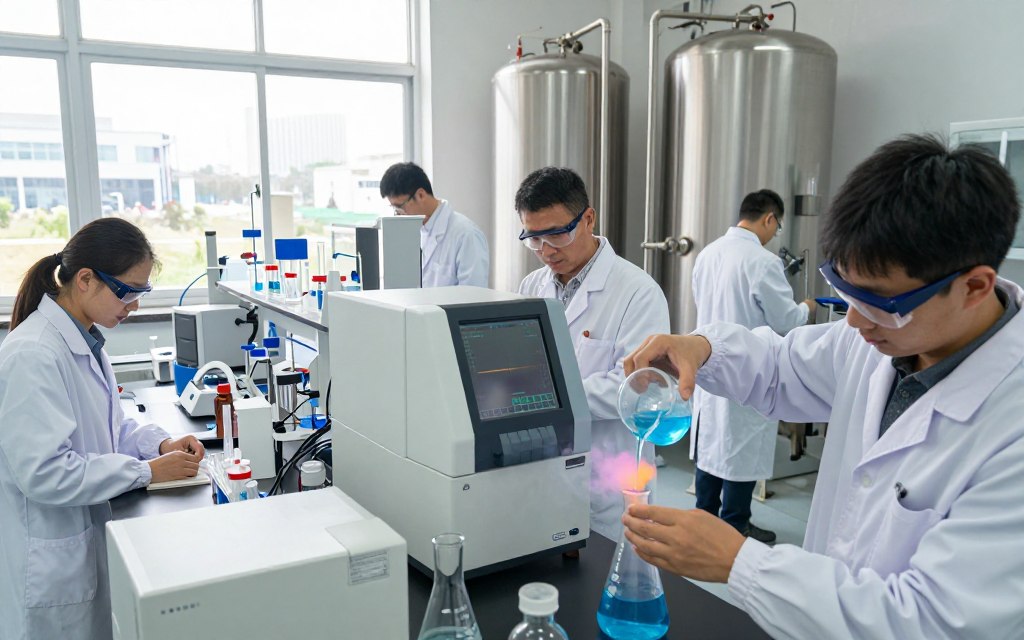
Chemical laboratory technology helps make chemical processes efficient and safe. Professionals use advanced tools and techniques to run experiments and analyze results. This work supports high standards in production and quality assurance.
How Chemistry Technology Differs from Traditional Chemistry
Chemistry technology vs traditional chemistry shows different goals: traditional chemistry studies matter, reactions, and structures. Chemistry technology focuses on practical use, including repeatability, scale-up, performance, quality, cost, and safety. These differences matter in commercial or clinical applications.
The fields still overlap significantly. Chemistry technology draws on organic, inorganic, physical, analytical, biological, and materials chemistry. This interdisciplinary approach supports innovative solutions for complex challenges in today’s world.
For more insights into technology’s broader effects, explore what technology means and its impact.
Historical Development of Chemistry Technology
The history of chemistry technology shows a remarkable journey from early practices to advanced methods. It began with ancient skills like metallurgy, glassmaking, and fermentation. These practices supported the later study of chemical reactions.
During the Industrial Revolution, industrial chemistry grew quickly. Factories needed controlled processes and standard measurements. Large-scale production created sulfuric acid, fertilizers, and dyes.
These advances moved chemical production into factories and encouraged chemical process innovation.
Early Foundations and the Industrial Revolution
As industries grew, workers needed specialized equipment. The demand for efficiency and consistency encouraged new chemical processes. Chemical laboratories helped scientists study new materials and reactions.
Modern Era and Digital Transformation
Today, digital advances continue to transform chemistry technology. Digital chemistry technology supports instrumental analysis, automation, and real-time monitoring. Chromatography and spectroscopy now make analysis faster and more accurate.
Artificial intelligence and laboratory information management systems have improved decision-making. They have also increased product consistency and traceability. The industry now places greater importance on data integrity and cybersecurity.
Core Disciplines and Subfields
Chemistry technology is a broad field with many specialized disciplines. Each field advances science and improves product quality. The three core disciplines are analytical chemistry technology, process chemistry, and materials chemistry.
Analytical Chemistry Technology
Analytical chemistry technology identifies and measures chemical components. It uses chromatography, mass spectrometry, spectroscopy, titration, microscopy, and electrochemical analysis. This chemical analysis technology supports:
- Raw-material testing
- Contamination detection
- Pharmaceutical quality control
- Forensic analysis
- Environmental monitoring
Using advanced laboratory instrumentation, analytical chemists help products meet strict quality and safety standards.
Process Chemistry Technology
Process chemistry technology develops and improves chemical processes. This work includes:
- Reaction development
- Solvent selection
- Purification
- Scale-up and yield optimization
- Process safety and waste reduction
Process chemists turn laboratory discoveries into reliable, repeatable production methods. Their work keeps manufacturing efficient and follows industry regulations.
Materials Chemistry Technology
Materials chemistry technology designs and tests many materials, including:
- Polymers and coatings
- Ceramics and composites
- Catalysts and semiconductors
- Biomaterials and energy-storage materials
This field improves product performance, supports regulatory compliance, and strengthens commercial viability. Materials chemistry innovations create more durable and efficient products.
| Subfield | Key Techniques | Applications |
|---|---|---|
| Analytical Chemistry Technology | Chromatography, Mass Spectrometry | Quality Control, Environmental Monitoring |
| Process Chemistry Technology | Reaction Development, Purification | Manufacturing Control, Waste Reduction |
| Materials Chemistry Technology | Material Design, Testing | Product Performance, Regulatory Compliance |
Industrial Applications of Chemistry Technology
Industrial chemistry applications have changed how companies make essential goods. Pharmaceutical, food and beverage, and cosmetic industries use these methods. Advanced techniques help each field protect safety, effectiveness, and quality.
Pharmaceutical Industry Applications
Pharmaceutical chemistry technology helps scientists develop and make medications. They synthesize active pharmaceutical ingredients (APIs) and form them into effective dosage forms. Stability testing checks drug potency over time, while dissolution testing measures active-ingredient release speed.
Impurity profiling finds contaminants, while sterile processing protects pharmaceutical products, especially injectable medications. Chemistry technology supports batch release, process validation, and good manufacturing practices (GMP). These practices help innovative and generic medicines meet strict regulatory standards.
Food and Beverage Industry Applications
Food chemistry supports ingredient analysis and nutrition testing in the food and beverage industry. It also guides flavor and color development, helping products appeal to consumers. Shelf-life studies show how long products remain safe and effective.
Preservation techniques extend product life, while packaging compatibility prevents harmful food-material interactions. Allergen detection and contamination control protect consumers and support product quality. Quality assurance helps products meet regulations and consumer expectations.
Cosmetics and Personal Care Applications
Cosmetic chemistry helps create safe, effective personal care products. It includes emulsions, surfactants, and preservatives that improve stability and performance. Careful product formulation shapes fragrances and pigments around consumer preferences while protecting safety.
Skin-care actives and hair-care products need rigorous stability testing to perform as intended. Teams also evaluate sensory performance against consumer expectations. Success requires balance among effectiveness, safety, manufacturing costs, sustainability, and regulatory requirements.
Chemistry Technology in Healthcare and Medicine
Chemistry in healthcare and medicine is changing patient care in remarkable ways. It supports drug discovery from its early stages and creates new diagnostic tools that improve patient outcomes. This section examines chemistry technology’s important role in these areas.
Drug Discovery and Development
In the realm of drug discovery technology, researchers follow several essential processes. Target identification finds biological molecules involved in diseases, while compound screening tests thousands of potential drugs for effectiveness and safety. Medicinal chemistry improves these compounds and their therapeutic properties.
Formulation development ensures the drug reaches the body effectively. Pharmacokinetic testing studies the drug’s behavior, while toxicology support checks its safety. Finally, manufacturing scale-up and quality testing ensure the drug meets regulatory standards before reaching the market.
Diagnostic Tools and Medical Devices
Advances in diagnostic chemistry have created sophisticated tools and devices, including chemical assays and biosensors. These assays and biosensors enable rapid disease detection, while point-of-care testing provides immediate results and improves patient care. Imaging contrast agents enhance diagnostic imaging, while blood analysis tools offer critical health insights.
These tools need high sensitivity, specificity, and reproducibility to work well. Regulatory validation also ensures that devices meet strict safety standards.
Biomedical Materials and Implants
Developing biomedical materials is crucial for implants and medical devices. Medical device materials include polymers, ceramics, and metals, chosen for biocompatibility and mechanical properties. Hydrogels and coatings can further improve implant performance.
Material selection considers corrosion resistance, strength, and interactions with biological tissues. Drug-delivery systems and biodegradable materials show chemistry technology’s innovative healthcare uses.
Chemistry Technology in Energy and Sustainability
Chemistry technology and sustainability shape cleaner energy solutions. These advances improve energy efficiency, cut environmental harm, and support renewable energy sources.
Renewable Energy and Battery Technology
Innovations in battery chemistry support renewable energy chemistry and improve energy storage. Lithium-ion batteries changed energy storage and support renewable sources like solar and wind.
Emerging technologies, such as solid-state batteries and fuel cells, are gaining traction. These advances improve charging performance, safety, and cycle life. They also consider recycling methods to reduce waste.
Environmental Protection and Pollution Control
Another key role of chemistry technology is pollution control technology. Water treatment, air-quality monitoring, and hazardous-waste treatment help maintain a healthy environment.
Analytical chemistry identifies pollutants and measures treatment results. This work supports environmental regulations and protects public health.
Green Chemistry and Sustainable Manufacturing
Green chemistry principles guide sustainable manufacturing processes. They focus on preventing waste, using safer solvents, and improving atom economy. These steps can lower the industry’s environmental footprint.
Using renewable feedstocks and designing products for degradation also reduces harm. Sustainability requires careful measurement and life-cycle analysis to support claims. This ensures practices are more than marketing rhetoric.
| Aspect | Renewable Energy | Environmental Protection | Green Chemistry |
|---|---|---|---|
| Focus | Energy efficiency | Pollution reduction | Sustainable processes |
| Key Technologies | Battery tech, solar cells | Water treatment, air monitoring | Safer solvents, waste prevention |
| Goals | Transition to renewables | Public health | Lower environmental impact |
Chemistry Technology in Manufacturing and Materials Science
Chemistry technology improves chemical manufacturing and materials science. It supports the design, production, testing, and improvement of materials used in manufacturing. These advances can create better products and more efficient production methods.
Polymer and Plastics Innovation
Polymer chemistry technology has advanced plastics innovation. Polymerization creates diverse materials with tailored properties. Additives, composites, and coatings improve performance, while elastomers and recyclable materials support sustainability.
Performance testing checks strength, flexibility, heat resistance, chemical resistance, transparency, and durability. Barrier films developed through advanced polymer technology are crucial for packaging applications. They help ensure product safety and longevity.
Nanotechnology Applications
Nanotechnology in chemistry is changing manufacturing through nanoscale structures and particles. These innovations improve catalysts, sensors, coatings, and electronic materials. In healthcare, nanotechnology improves medical materials and filtration membranes, greatly affecting patient care.
Using nanoscale materials requires careful characterization and exposure assessment. Responsible handling practices help ensure safety and compliance with regulations.
Quality Control and Assurance Systems
Quality control chemistry helps manufacturers meet safety and regulatory standards. Effective systems use specifications, sampling plans, and validation processes. They help manufacturers produce consistent goods that meet customer expectations.
Quality assurance includes broader practices, such as standard operating procedures and stability testing. Together, quality control and assurance systems protect product integrity and support compliance.
Education and Training Requirements
Learning about chemistry technology education helps future professionals choose a strong career path. The right training builds skills and knowledge for this changing field. Degree programs and certifications support different career goals.
Undergraduate and Graduate Degree Programs
Students seeking a chemistry technology degree can choose from several programs. Associate degrees teach basic knowledge, while bachelor’s degrees offer broader field study. Advanced options, including master’s and doctoral programs, explore chemical engineering and materials science.
Certificates in analytical chemistry or pharmaceutical science also provide valuable training. Laboratory training through courses, internships, and cooperative education strengthens learning. Students apply classroom ideas in real workplaces and prepare for future jobs.
Professional Certifications and Licenses
Most laboratory and manufacturing jobs do not require one national license. However, professional certifications can improve job prospects. Chemical laboratory certification in quality, safety, and compliance is especially valuable, but clinical and environmental roles may have different requirements.
Essential Technical and Analytical Skills
Success in chemistry technology requires many technical and analytical skills. Strong chemistry skills include:
- Sample preparation and instrument operation
- Calibration and method validation
- Data integrity and documentation
- Chemical safety and technical writing
- Teamwork and software literacy
Continued learning matters because new instruments and rules require updated knowledge. Developing these skills can improve employability in the chemistry technology sector.
| Degree Type | Duration | Focus Areas |
|---|---|---|
| Associate Degree | 2 years | Basic Chemistry Principles |
| Bachelor’s Degree | 4 years | Advanced Chemistry and Lab Techniques |
| Master’s Degree | 2 years | Specialized Research and Applications |
| Doctoral Degree | 4-6 years | In-depth Research and Innovation |
Career Paths and Job Roles in Chemistry Technology
Chemistry technology careers offer many paths for aspiring professionals. The field includes roles in research, quality assurance, and production, with different interests, skills, opportunities, and challenges. Your responsibilities will grow with your education and experience.
Research and Development Positions
Research and development chemistry positions drive innovation in the chemistry technology sector. Laboratory technicians, research associates, and formulation scientists run experiments and develop new products. They conduct method development, prototype testing, and data interpretation.
More experienced roles include analytical scientist and materials scientist. They solve complex problems and prepare technical reports, while laboratory managers lead R&D teams. These positions require a solid foundation in scientific principles and often advanced degrees in chemistry or related fields.
Quality Assurance and Regulatory Affairs
Quality assurance chemistry and regulatory affairs protect product integrity in the chemistry technology industry. Quality-control analysts and validation specialists ensure products meet strict standards. They conduct audits, manage specifications, and investigate quality issues.
Regulatory affairs specialists navigate complex compliance and documentation requirements. They prepare submissions for regulatory bodies and communicate with stakeholders to follow industry regulations. These roles require strong attention to detail and communication skills, and suit people who thrive in structured environments.
Production, Manufacturing, and Operations
Chemical manufacturing careers support the successful delivery of chemical products. Process technicians and manufacturing chemists oversee production processes for efficiency and safety. Production supervisors and operations managers coordinate activities to optimize workflow and maintain quality.
Process engineers design and improve manufacturing processes. Continuous-improvement specialists enhance operational efficiency. These positions require technical knowledge and practical experience, and suit people who enjoy hands-on work in a fast-paced environment.
Networking, internships, and professional associations can improve your prospects for chemistry technologist jobs. Tailor your resume to highlight relevant skills and experience, especially in regulated industries. With the right preparation and dedication, a rewarding career in chemistry technology awaits.
Salary Outlook and Job Market in the United States
The chemistry technology salary outlook in the United States reflects a changing job market. Pay varies with education, experience, and a worker’s specific role. These differences matter to people considering chemistry careers in the United States.
Average Salary Ranges by Role
Laboratory technicians typically earn $40,000 to $60,000 each year, while chemical technicians earn $45,000 to $70,000. Quality-control analysts and research associates generally earn $50,000 to $80,000. Analytical scientists and process specialists may earn more than $80,000 because of advanced skills and duties.
Regulatory professionals and managers often earn more than $100,000. Their chemistry jobs salary depends on experience and role complexity. Check the U.S. Bureau of Labor Statistics for current data, including regional differences.
Employment Trends and Future Demand
The chemistry technology job outlook is expected to grow in pharmaceuticals, biotechnology, and renewable energy. Demand is rising as industries pursue innovation and sustainability. Regions investing in clean energy and advanced materials will likely see strong hiring.
Automation may change routine testing jobs, but it will create opportunities for skilled professionals. These workers can analyze data, validate methods, and manage compliance. The changing chemical industry employment landscape supports a strong outlook for new graduates and seasoned professionals.
Conclusion
The what is chemistry technology conclusion shows how science serves practical needs. It combines laboratory science, engineering, and digital tools to create products that improve our lives. The chemistry technology industry supports pharmaceuticals, healthcare, food production, and environmental sustainability.
Understanding chemical behavior matters, but using this knowledge well sets the field apart. Pharmaceutical and biotechnology innovations show how chemistry technology can improve health outcomes. In manufacturing, materials science advances and sustainable practices show the industry’s commitment to cleaner production methods.
As demand for skilled professionals grows, many chemistry technology opportunities await new career seekers. Education and hands-on experience help people succeed in research, development, quality assurance, and regulatory affairs. Interested individuals should review degree requirements and seek practical training to strengthen their skills.
The future of chemistry technology is bright. Industries will keep seeking progress in health, environmental protection, and energy efficiency. Explore this resource for further insights into chemistry technology’s evolution and societal impacts.
Embracing this dynamic field can lead to a fulfilling career while helping build a better world.


 By
By